As we age, our nutritional needs change, and protein becomes a crucial element in maintaining our health and well-being. It plays a significant role in building and preserving muscle and bone strength, making it a vital component of a senior's diet. But recent research suggests that the benefits of protein for seniors may extend beyond just physical strength; it could potentially reduce the risk of stroke. In this article, we'll delve into the importance of daily protein needs for seniors, explore the study linking protein to stroke prevention, and provide practical guidelines for ensuring seniors get the right amount of this essential nutrient.
?Understanding the Protein Requirement
To appreciate the role of protein in senior nutrition, it's essential to first understand how much protein is recommended. Current dietary guidelines for adults of all ages suggest a daily intake of 0.8 grams of protein per kilogram of body weight. To calculate your daily protein requirement, simply multiply your weight in pounds by 0.36. This formula provides a reasonable estimate of your protein needs.
For example, a person weighing 160 pounds would require approximately 58 grams of protein per day. Achieving this daily protein goal can be relatively straightforward, with various protein-rich foods to choose from.
The Link Between Protein and Stroke Prevention
A study conducted in China sought to investigate the potential link between protein consumption and stroke prevention. The research analyzed data from seven studies involving over 250,000 participants, spanning various age groups from their mid-30s to their 80s, with an average follow-up period of 14 years. The findings were intriguing: individuals with higher protein intake in their diets were 20% less likely to experience a stroke during the study period compared to those with lower protein consumption. Even more striking was the discovery that for every additional 20 grams of protein included in the daily diet, the risk of stroke decreased by 26%.
This study's implications were significant; if everyone began consuming more protein, it could potentially result in nearly 1,500,000 fewer stroke-related deaths globally each year. However, it's crucial to approach these findings with caution and a degree of skepticism, as noted by Dr. Randall Zusman, a cardiologist at Massachusetts General Hospital and an associate professor of medicine at Harvard Medical School.
Evaluating the Findings
Dr. Zusman raises valid concerns about the study's findings. Firstly, other research has not consistently demonstrated a clear link between dietary protein and stroke risk. Additionally, the potential benefits observed in the study could be attributed to a shift in dietary patterns rather than the direct impact of increased protein intake. When individuals consume more protein, they often consume fewer refined carbohydrates or other less healthy foods, which could contribute to better health outcomes.
One example supporting this notion comes from the OmniHeart Trial, which found that increased protein intake, combined with reduced carbohydrate consumption, led to improvements in blood pressure, LDL cholesterol levels, and triglycerides.
In essence, while the study provides intriguing insights into the potential benefits of protein, more research is needed to establish a direct and causal relationship between protein consumption and stroke prevention.
The Ongoing Importance of Protein for Seniors
Despite the uncertainties surrounding the protein-stroke link, the importance of protein in the diet of seniors cannot be overstated. For older adults, especially those at a greater risk of malnutrition and illness, protein remains a vital nutrient. It supports muscle maintenance, bone health, and overall bodily function.
One common concern is whether older individuals require more protein than their younger counterparts. While there is limited long-term research on the optimal protein intake for preserving lean body mass and overall health in older adults, some seniors may not be meeting their protein needs, particularly if they have lower daily calorie intake.
Meeting Protein Needs in Senior Diets
To ensure seniors meet their protein needs, caregivers and seniors themselves can follow these practical steps:
1. Calculate Daily Protein Requirements: Use the formula of 0.36 grams of protein per pound of body weight to estimate daily protein needs.
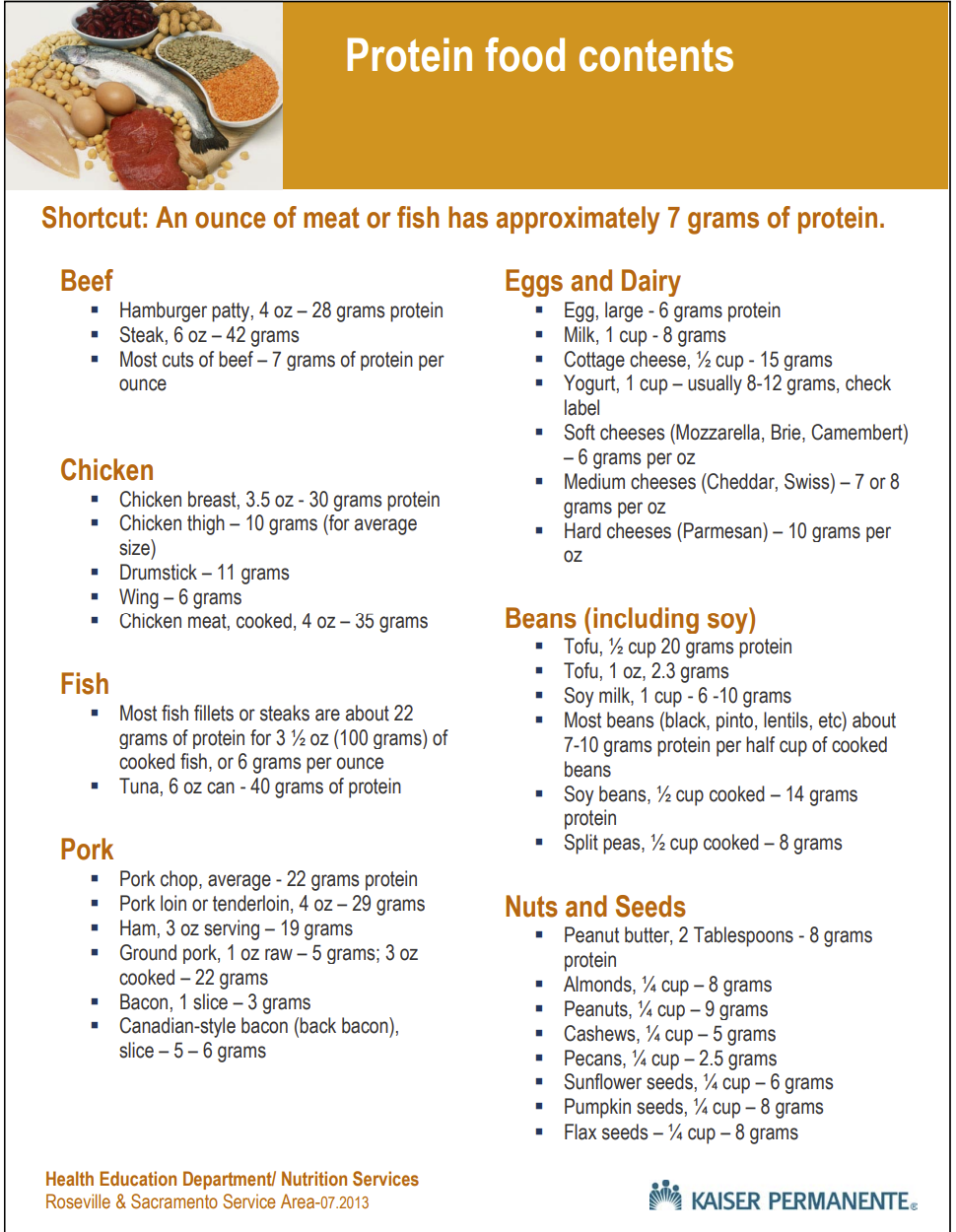
2. Choose Protein-Rich Foods: Include a variety of protein-rich foods in the daily diet. Some examples include Greek yogurt, cottage cheese, poultry, beans, milk, fish, nuts, and eggs.
3. Monitor Protein Intake: Pay attention to the protein content of common foods to ensure seniors are getting enough. Check labels and use online protein calculators as needed.
4. Consider Plant-Based Proteins: Evidence suggests that replacing some animal-based proteins with plant-based sources can be a healthier choice. Even small dietary changes can make a difference.
5. Maintain a Balanced Diet: Remember that diet is just one component of overall health. A balanced diet, regular exercise, weight control, and managing blood pressure and cholesterol levels are all essential aspects of senior health and stroke prevention.
In conclusion, while the link between increased protein intake and stroke prevention is promising, it requires further investigation. However, the importance of protein in the diet of seniors cannot be overstated. By following guidelines for adequate protein intake and making informed dietary choices, caregivers can support the health and well-being of their senior loved ones, helping them enjoy a fulfilling and active life.
Source: Harvard Health Blog: Daily protein needs for seniors still unsettled
___________________________________________________________________
Helpful resources & articles for your own research & dietary needs/strategies:
1) Kilogram to Pound Calculator
2) Protein Calculator for Weight Loss and Muscle Gain
4) Creating a Healthy Plate (Kaiser Permenente)
6) Pistachio nuts are a plant-based complete protein
7) Complete Proteins that Aren?t Meat
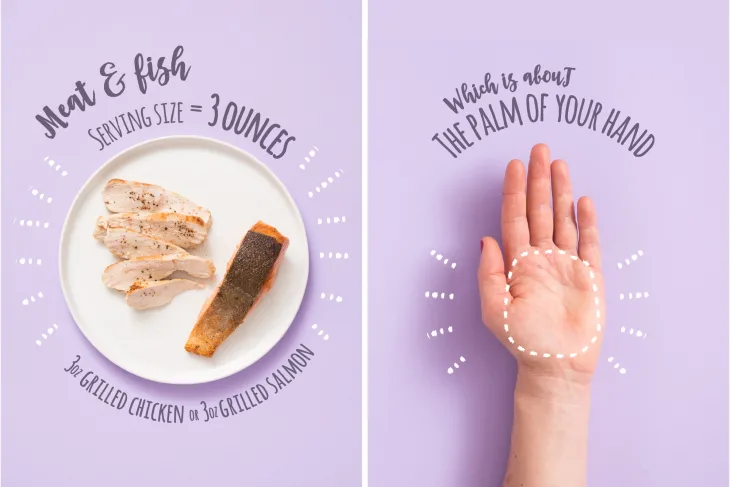
8) A Visual Guide to Protein Serving Sizes
Visual guides:
Protein servings visual guide: