
Vascular Dementia: What it is and Benefits of Hiring Caregivers Who Specialize in this Disease
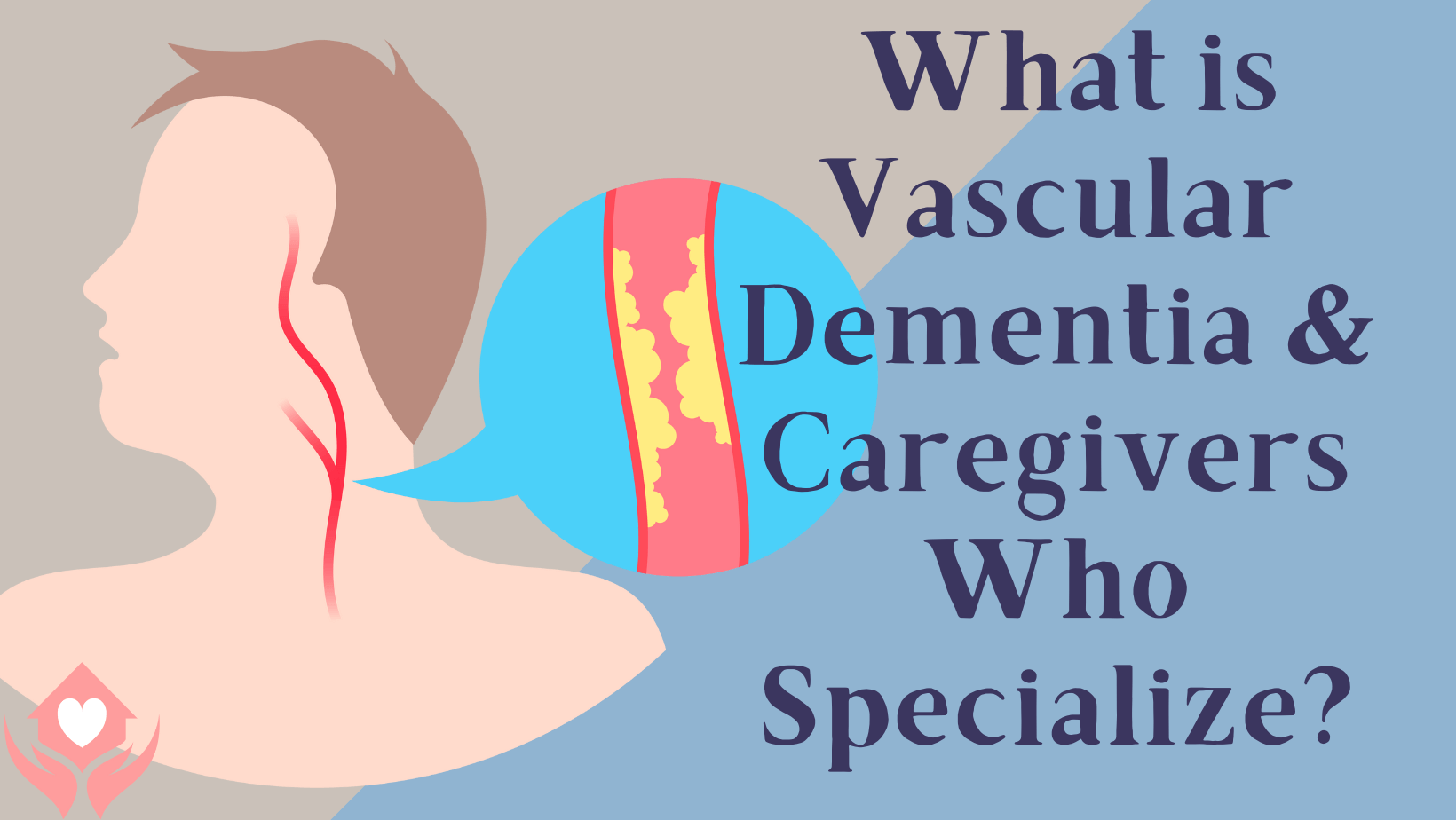
Vascular dementia encompasses a group of conditions characterized by impaired blood supply to the brain, leading to neuronal dysfunction and cognitive decline. It stands as the second most prevalent type of dementia, often emerging after Alzheimer's disease. This form of dementia can be a consequence of a stroke or a series of mini-strokes, emphasizing the critical role of blood flow in cognitive health.
A stroke, whether ischemic or hemorrhagic, can trigger vascular dementia. In an ischemic stroke, a blood clot obstructs an artery, disrupting blood flow to the brain. These clots may form locally, atop cholesterol plaques that rupture, or they may travel from the heart. Atrial fibrillation, a condition where the heart fails to pump blood effectively, can lead to coagulation and a hemorrhagic stroke. On the flip side, a hemorrhagic stroke occurs when an artery leaks or ruptures, often due to high blood pressure, excessive use of blood thinners, or abnormal blood vessel formations like aneurysms.
The symptoms of vascular dementia can manifest suddenly after a significant stroke or gradually as a result of multiple small strokes. The nature of symptoms varies depending on the affected part of the brain and may include memory loss, impaired thinking skills, confusion, mood changes, speech disorders, and compromised balance and movement.
Differentiating vascular dementia from Alzheimer's disease involves observing how symptoms appear. While Alzheimer's tends to progress gradually with specific symptoms following a typical order, vascular dementia may progress in a silent, continuous manner due to age-related vascular wear and tear or conditions like high blood pressure, high cholesterol, diabetes, and amyloid deposits. These factors often affect smaller blood vessels deep within the brain's white matter, causing unnoticed blockages and microbleeds, collectively known as cerebral small vessel disease?the most common cause of vascular dementia in older adults.
Another contributor to vascular dementia is the hypoperfusion of the entire brain, resulting from conditions such as heart failure, hypotension, or carotid artery occlusion. Unfortunately, there is no cure for vascular dementia, but proactive measures can be taken to manage and potentially prevent its onset.
Controlling vascular risk factors, including high blood pressure, plays a crucial role in prevention. Lifestyle changes, such as adopting a healthy diet, quitting smoking, and engaging in regular physical exercise, have proven to be beneficial in reducing the risk of vascular dementia.
Benefits of Hiring Caregivers Who Specialize in Dementia
As individuals navigate the challenges of vascular dementia, hiring caregivers who specialize in this condition can make a significant difference. These caregivers bring expertise in managing the unique needs of individuals with vascular dementia, providing tailored assistance and support. The benefits of hiring such caregivers include:
1. Specialized Knowledge: Caregivers specializing in vascular dementia possess in-depth knowledge about the condition, enabling them to understand and address the specific challenges faced by individuals with this form of dementia.
2. Personalized Care Plans: Vascular dementia caregivers can create personalized care plans based on the individual's symptoms, ensuring that the assistance provided aligns with their unique needs and preferences.
3. Emotional Support: Dealing with cognitive decline can be emotionally challenging. Caregivers with expertise in vascular dementia are equipped to offer emotional support to both individuals and their families, fostering a compassionate and understanding environment.
4. Crisis Management: Given the potential for sudden changes in symptoms, caregivers specializing in vascular dementia are adept at crisis management. They can respond effectively to emergent situations and provide immediate assistance.
5. Enhanced Quality of Life: Through their specialized care, caregivers contribute to an improved quality of life for individuals with vascular dementia. They help manage daily activities, promote engagement, and create a positive and supportive living environment.
In conclusion, understanding the symptoms and complexities of vascular dementia is crucial for both individuals affected and their families. While there is no cure, proactive measures, including lifestyle changes and specialized caregiving, can significantly impact the progression and management of this form of dementia. By seeking the support of caregivers with expertise in vascular dementia, individuals can navigate the challenges more effectively, promoting a higher quality of life and improved well-being.