
A diagnosis of renal failure or chronic kidney disease (CKD) may require significant adjustments to your diet to promote kidney health and manage the condition effectively. Kidney-friendly meals are tailored to reduce the strain on your kidneys, maintain proper electrolyte balance, and manage complications associated with CKD. In this article, we will explore what to include and exclude in your kidney-friendly meals to support your overall well-being.
Introduction
If you've been diagnosed with kidney disease or are concerned about your kidney health, you're not alone in wondering what dietary changes you should make. Managing kidney disease often involves keeping an eye on key nutrients like sodium, potassium, and phosphorus. It's crucial to consult with your healthcare provider or a registered dietitian, especially if you're receiving dialysis, to create a personalized diet plan. However, this article will provide you with some general tips for following a renal diet.
What to Include in Kidney-Friendly Meals
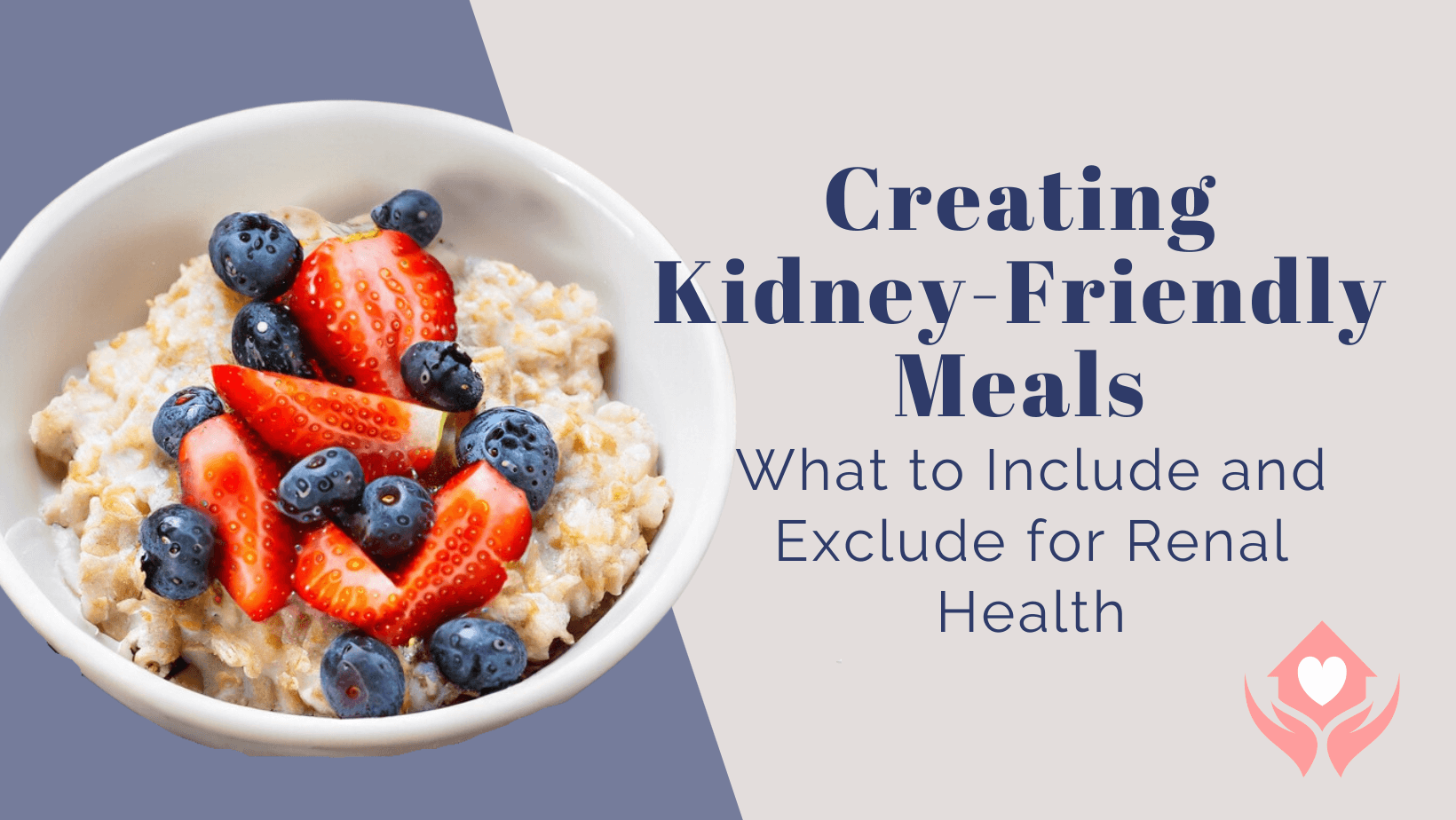
1. Low-Potassium Fruits: Opt for fruits with lower potassium content, such as apples, berries, grapes, and pineapple. These fruits provide essential vitamins and antioxidants without overloading your kidneys.
2. Lean Proteins: Include lean protein sources like chicken, turkey, fish (e.g., salmon, trout), and egg whites. These proteins are less taxing on your kidneys than red meats and provide necessary amino acids for muscle health.
3. Complex Carbohydrates: Choose low phosphorus and low potassium complex carbohydrates, which offer sustained energy without causing blood sugar spikes.
4. Low-Sodium Vegetables: Incorporate low-sodium vegetables such as green beans, cauliflower, cabbage, and kale. These options provide fiber, vitamins, and minerals without contributing to high blood pressure or fluid retention.
5. Healthy Fats: Opt for heart-healthy fats like olive oil, avocado, and nuts. These fats support overall cardiovascular health, which is crucial for kidney patients.
6. Low-Phosphorus Dairy: If your healthcare provider allows dairy, select low-phosphorus dairy products like Greek yogurt or unsweetened almond milk. Limit your intake to manage phosphorus levels.
7. Adequate Fluids: Stay well-hydrated by drinking an appropriate amount of water. Individual fluid needs vary, so consult with your healthcare provider or dietitian for personalized recommendations.
8. Kidney-Friendly Herbs and Spices: Season your meals with herbs and spices like basil, thyme, rosemary, and lemon juice. These add flavor without the need for excessive salt.
Related article: Download DaVita's Free Kidney-Friendly Cookbooks and Diet Guide
What to Reduce or Exclude from Kidney-Friendly Meals
1. High-Potassium Foods: Avoid or limit high-potassium. Excess potassium can lead to dangerous imbalances in your blood.
2. Processed Meats: Steer clear of processed meats like bacon, sausages, and deli meats, which are often high in sodium and phosphorus.
3. High-Sodium Foods: Reduce your sodium intake by avoiding high-sodium foods like canned soups, fast food, and processed snacks. High sodium can exacerbate hypertension and fluid retention.
4. Phosphorus-Rich Foods: Limit phosphorus-rich foods. An excess of phosphorus can contribute to bone and heart issues in kidney patients.
5. High-Sugar Foods: Minimize your consumption of sugary foods and beverages, as they can contribute to weight gain and may affect blood sugar control.
6. Excessive Protein: While protein is essential, too much protein can strain your kidneys. Follow your healthcare provider's recommendations for your protein intake.
7. Alcohol: Limit alcohol consumption, as it can affect kidney function and interact with medications you may be taking.
Navigating Sodium and Salt
Sodium, commonly found in salt (sodium chloride), plays a significant role in our diets. Reducing your sodium intake is a vital component of controlling kidney disease. Here are some practical tips:
1. Cooking Without Salt: Begin by eliminating the use of salt during food preparation. It may take some time to adjust to the reduced salt content, but this step is essential in managing kidney disease.
2. Skip the Salt Shaker: Resist the urge to add extra salt to your meals at the table. Your taste buds will adapt over time.
3. Become a Label Detective: Learn to read food labels diligently. Look for foods with less than 300mg of sodium per serving (or 600mg for a complete frozen dinner). Be cautious of products where salt is listed as one of the first ingredients.
4. Choose Wisely: Avoid high-sodium foods such as ham, bacon, sausages, hot dogs, lunch meats, chicken tenders, or nuggets, as well as regular canned soup. Opt for reduced-sodium soups that do not contain potassium chloride. Limit your consumption to one cup rather than the entire can.
5. Mind Your Canned Vegetables: Only select canned vegetables labeled as "no salt added." This choice allows you to enjoy these nutritious options without compromising your renal health.
6. Say No to Flavored Salts: Refrain from using flavored salts like garlic salt, onion salt, or seasoned salt. Similarly, avoid kosher or sea salt in your cooking.
7. Search for Lower Sodium Options: When shopping, look for lower salt or salt-free alternatives for your favorite foods, such as peanut butter or box mixes.
8. Be Cautious with Seasoned Meats: Exercise caution when buying refrigerated or frozen meats that are pre-seasoned or packaged in a solution. These products, including boneless chicken, turkey breast, whole turkeys, steaks, roasts, burgers, pork tenderloin, and pork chops, may have high sodium content.
Unpacking Potassium Awareness
Potassium is a mineral essential for muscle function. When kidney function declines, potassium can accumulate in your bloodstream, potentially affecting your heart's rhythm and health. Here's what you should know:
1. Potassium-Rich Foods to Limit or Avoid: Limit your intake of high-potassium foods, including melons like cantaloupe and honeydew (watermelon is a safe option), bananas, oranges and orange juice, avocados, prune juice, tomatoes and tomato products, dried beans, pumpkin, winter squash, cooked greens like spinach, kale, collards, and Swiss chard, broccoli, Brussels sprouts, nuts, and nut butters.
2. Beware of Hidden Sources: Keep an eye out for hidden sources of potassium in bran cereals, granola, salt substitutes, and molasses.
3. Mind Canned Fruits: If you enjoy canned fruits, make sure to drain the juice before consuming them, as this reduces their potassium content.
4. Special Handling for Potatoes: To enjoy potatoes and sweet potatoes in moderation, peel and cut them into small slices or cubes. Soak them in water for several hours, changing the water periodically. Drain the soaking water before cooking.
Mastering Phosphorus Control
Phosphorus is another mineral that can accumulate in your blood as kidney function diminishes. High phosphorus levels may lead to calcium being pulled from your bones, potentially causing bone disease. Take note of these tips:
1. Limit Dairy Intake: Dairy products are a major source of dietary phosphorus. Limit your milk consumption to one cup per day. If you prefer yogurt or cheese, stick to one container of yogurt or 1.5 ounces of cheese daily.
2. Phosphorus-Containing Vegetables: Some vegetables also contain phosphorus. Limit your weekly consumption of dried beans, greens, broccoli, mushrooms, Brussels sprouts, and other high-phosphorus options to one cup.
3. Choose Carefully: Certain cereals with high phosphorus content should be limited to one serving per week. This includes bran, wheat cereals, oatmeal, and granola.
4. Opt for Refined Grains: White or Italian bread and low-salt crackers made from white flour have less phosphorus than whole-grain alternatives.
5. Select Clear Soft Drinks: Soft drinks can contain phosphorus, so opt for clear ones. Avoid beverages like Mountain Dew, colas, root beers, Dr. Pepper®, Hawaiian Punch®, Fruitworks®, Cool iced tea, and Aquafina tangerine pineapple.
6. Beware of Beer: Beer is another source of phosphorus, so it's advisable to avoid all kinds.
Remember that personalized guidance is essential for managing your kidney disease through diet. Consult with your healthcare provider or a registered dietitian to create a diet plan tailored to your specific needs. You play a crucial role in your healthcare, so actively participate in discussions about your dietary choices and seek guidance from your healthcare team.
Related article: 3 Easy Meal Ideas for Better Kidney Health
Additional Tips for Kidney-Friendly Eating
1. Portion Control: Pay attention to portion sizes to avoid overeating and reduce the load on your kidneys.
2. Meal Planning: Work with a registered dietitian to create a personalized meal plan that aligns with your kidney health goals.
3. Regular Monitoring: Schedule regular check-ups and blood tests with your healthcare provider to assess kidney function and adjust your diet plan as needed.
4. Limit Phosphorus Additives: Be cautious of processed foods that contain phosphorus additives (e.g., phosphoric acid). Read labels carefully and choose products with lower phosphorus content.
5. Cooking Techniques: Opt for kidney-friendly cooking methods like grilling, baking, steaming, or boiling to minimize the need for added fats and salt.
Conclusion
Creating kidney-friendly meals is essential for managing renal failure or CKD and promoting overall health. By including low-potassium fruits, lean proteins, complex carbohydrates, low-sodium vegetables, healthy fats, and staying well-hydrated, you can support your kidney function while enjoying a diverse and nutritious diet. Simultaneously, avoiding high-potassium, high-sodium, and high-phosphorus foods, as well as excessive protein and sugar, helps minimize kidney stress and complications. Always consult with your healthcare provider or registered dietitian for personalized guidance on crafting the most suitable kidney-friendly meal plan for your specific needs.